Living a ‘Good Life’ as an Environmental Strategy
Until recently, it was easy to think that environmental strategy belonged in boardrooms.
It was the language of targets, reporting frameworks, policy interventions and corporate commitments. Something measured, managed and reviewed.
Reflecting on my work with Family clients, I think the way we live our lives can become an environmental strategy in its own right. I’ve spent some time observing how people live; the homes they create, the objects they keep and the routines they establish, and I’ve realised that most environmental decisions are not made via a ‘strategy’ in the traditional sense, but slowly, over years, through the accumulation of preferences, habits and assumptions about what constitutes a good life.
So, ‘can living a good life become an environmental strategy in its own right’?
The truth is, most people are not trying to minimise their environmental impact. They are trying to build lives that are enjoyable, meaningful, resilient and capable of enduring change.
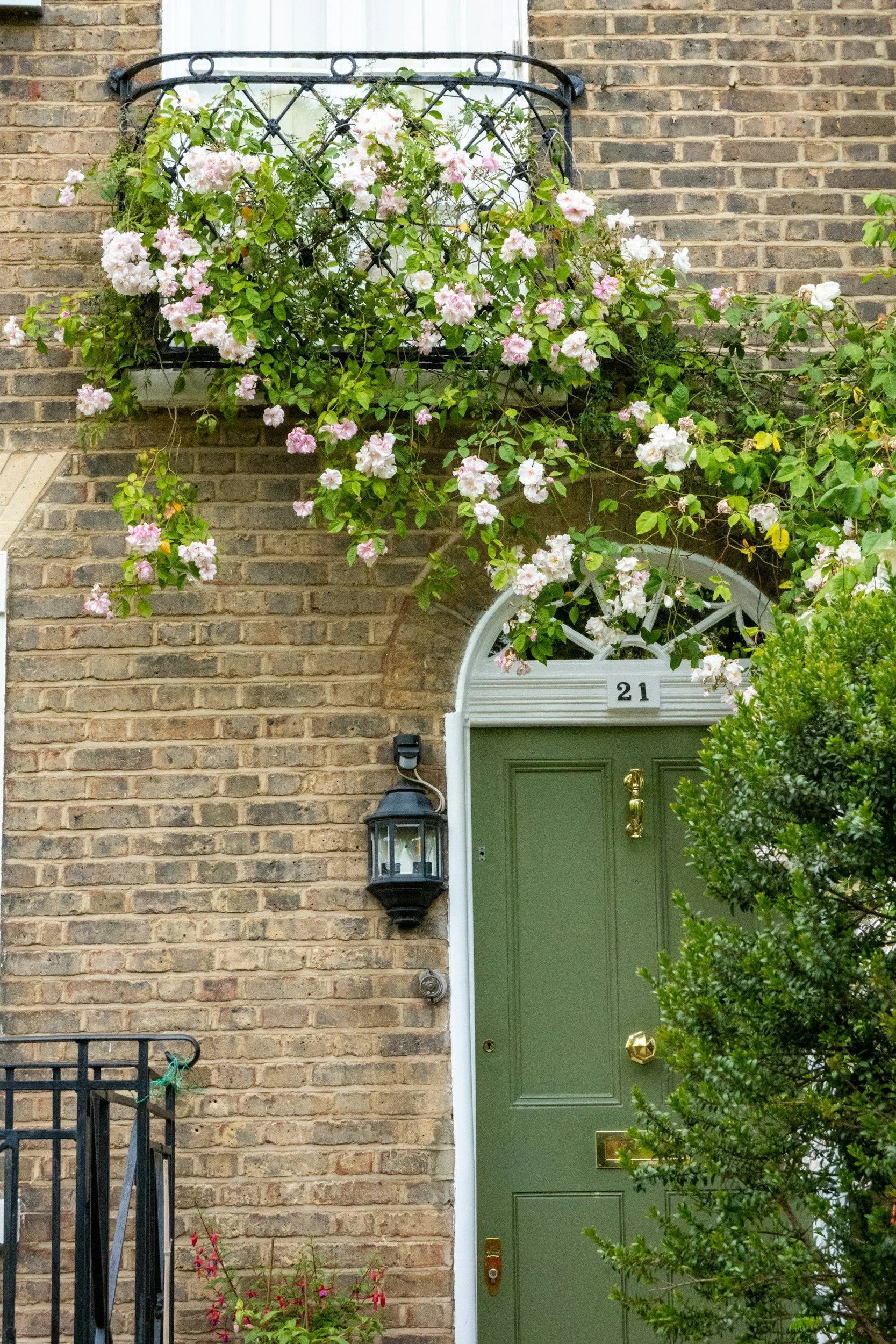
Sometimes, environmental choices often turn out to be a reflection of our values, aspirations and assumptions about what a good life looks like.
A life built around quality and longevity (environmental ideals?) are good markers of confidence, maturity and good judgement.
And perhaps that is the opportunity.
To think of environmental strategy not as a specialist discipline sitting alongside life, but as one lens through which to examine life itself.
Because the most compelling environmental strategies I've encountered rarely feel like environmental strategies. They feel like thoughtful ways of living.